
BuildingGaston County, NCNo. 132
2026 New-Build Trends for Buyers in North Carolina: What's Worth Paying For
Energy features, flexible layouts and builder incentives. How to tell the 2026 trends that add value from the ones that just add cost.

By Ally BohananPublished Updated 4 min read
In this article
- Which energy features actually save money?
- Is smart-home technology worth upgrading?
- Which floor plans hold up best?
- Which finishes are trends, and which will last?
- Should you build custom instead of buying in a community?
- What should you know about builder incentives?
- How do you protect yourself in a builder contract?
- Do new homes need inspections?
- Frequently asked questions
The short answer
The main 2026 new-build trends in North Carolina are tighter, more energy-efficient construction, smart-home systems, flexible floor plans with offices and first-floor suites, and more outdoor living space. The trends worth paying for are the ones that lower your operating costs or keep the home easy to resell. Read the incentive terms, warranty and contract closely before you sign.
Key takeaways
- Ask for a home's HERS rating or energy documentation instead of relying on "energy-efficient" marketing.
- Flexible rooms such as offices, lofts and first-floor suites usually age better than trendy finishes.
- Builder incentives often come tied to the builder's preferred lender or a closing deadline, so compare the total cost.
- The sales agent in a builder's model home works for the builder. Bring your own buyer's agent on your first visit.
- Order an independent inspection before the drywall goes up and again before closing, even on brand-new homes.
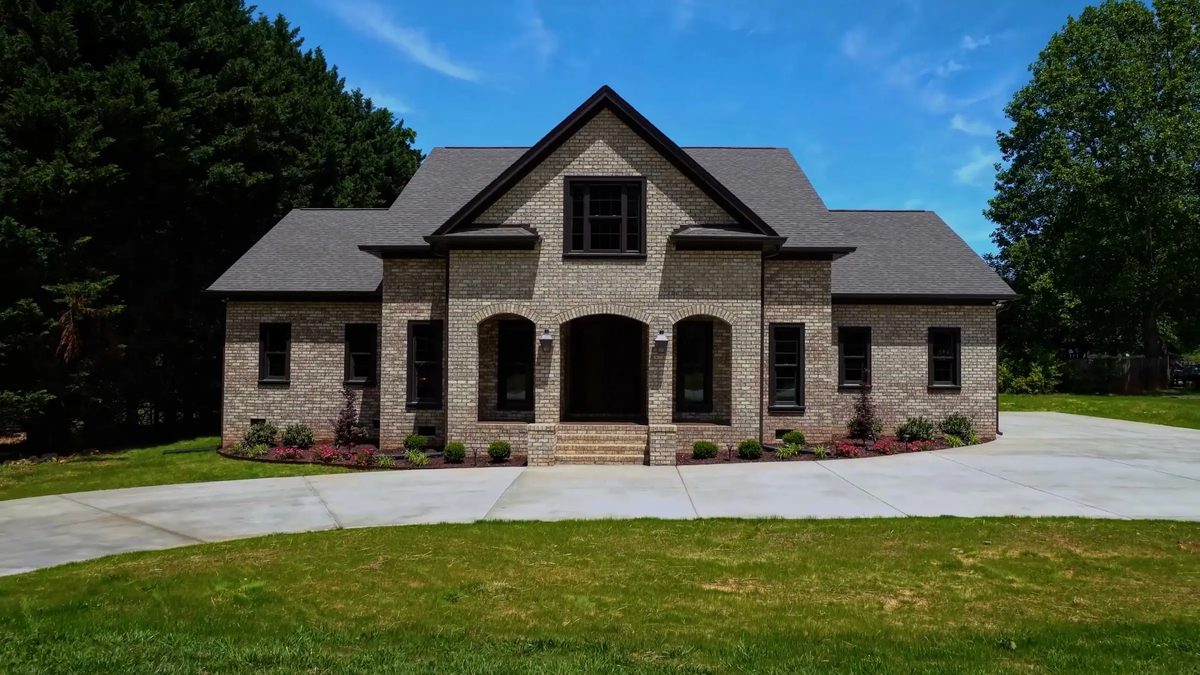
New construction in Gaston County and around Charlotte keeps changing. Builders are putting more into insulation, technology and layouts that fit how people actually live. Not every trend is worth extra money, though. This guide covers what you're likely to see on a 2026 model-home tour in Belmont, Gastonia, Mount Holly or Dallas, and how to judge each feature.
Which energy features actually save money?
The biggest gains come from parts of the house you can't see once the walls are closed: insulation, air sealing, windows and a correctly sized HVAC system. They affect your power bill every month and they're expensive to upgrade later.
- Ask for the HERS score. Many builders have homes rated under the RESNET HERS Index. A lower score means a more efficient home, and it gives you a real way to compare two builders.
- Check the HVAC setup. A zoned system or a separate unit for the upstairs makes a two-story home much more comfortable in a Carolina summer.
- Look for "ready" features. A 240-volt outlet in the garage for an EV charger, or roof framing and conduit planned for solar, costs little during construction and a lot more to retrofit.
- Look at certification labels. Programs such as ENERGY STAR for New Homes involve third-party verification, which means more than a builder simply calling a home "efficient."
Is smart-home technology worth upgrading?
Pay for the infrastructure and skip the gadgets. Wired internet in office spaces, a good spot for the router, and prewiring for cameras or speakers are hard to add after drywall. Smart locks, thermostats and video doorbells are easy to install yourself later, often for less than the builder's package price.
Which floor plans hold up best?
Open layouts are still popular, but buyers increasingly want rooms they can close off. The plans that tend to fit the most households, and so appeal to the most future buyers, include:
- A dedicated office with a door, away from the kitchen noise
- A first-floor primary or guest suite for aging parents, visitors or your own later years
- A bonus room or loft that can work as a playroom, gym or media room
- A walk-in pantry and a drop zone near the garage entry
- A covered porch or patio planned as real living space
Pay attention to how the square footage is used, not just how much there is. A well-planned smaller home often lives better than a larger one with long hallways and a formal dining room you'd never use.
Which finishes are trends, and which will last?
| Usually worth it | Think twice |
|---|---|
| Durable flooring throughout the main living areas | Bold tile or color you'd have to redo to sell |
| Upgraded cabinet boxes and drawer hardware | Top-tier appliance packages marked up by the builder |
| A larger shower in the primary bath | Freestanding tubs you won't use |
| Extra electrical outlets and lighting circuits | Decorative light fixtures you could buy and install later |
For more on choosing selections with resale in mind, see how to choose finishes that sell later.
Should you build custom instead of buying in a community?
If you want a particular piece of land, more privacy or a layout no production plan offers, custom or semi-custom building is worth a look. That's especially true outside town centers in areas around Cherryville, Lowell and western Gaston County. It does take longer, and you'll make more decisions yourself. Zoning, septic or sewer access, driveway permits and utility hookups all vary by town and county.
Our buy or build guide compares the two paths. Ally also runs Bohanan Construction, which builds custom homes in Gastonia, so you can ask about both paths in one conversation.
What should you know about builder incentives?
Incentives such as closing-cost credits, rate buydowns and design-center allowances can be worth real money. They usually come with conditions:
- Preferred lender requirements. Get a competing Loan Estimate anyway so you can compare the total cost, not just the rate.
- Closing deadlines. Some incentives only apply if you close by a certain date. Make sure your financing and your current home's sale can meet it.
- Temporary versus permanent buydowns. A temporary buydown lowers your payment for the first year or two only. Ask what the payment will be in year three.
- Price versus credit. A price reduction can lower your loan amount and possibly your property taxes, while a credit can't. Ask which one the builder will offer.
How do you protect yourself in a builder contract?
Builder contracts are written by the builder's attorney and generally favor the builder. Before you sign, read these sections:
- Your earnest money: how much, when it becomes non-refundable and who holds it
- How completion dates are estimated, and what happens if they slip
- Whether the builder can raise the price on a home that isn't built yet
- What the warranty covers, for how long and how you file a claim
- Your right to bring in an independent inspector
Our guide to what to look for in a builder contract walks through these sections in more detail. One more rule: register your buyer's agent at your first visit to the model home. The on-site sales agent represents the builder, and many builders won't recognize your agent if you show up alone the first time.
Do new homes need inspections?
Yes. A county permit inspection checks that the home meets code, which is the minimum standard. Your own inspector is working for you. Schedule a pre-drywall inspection while the framing, plumbing and wiring are still visible, then a final inspection before your punch-list walkthrough. Many buyers also book a check shortly before the builder's warranty ends.
If you're touring new communities this year, Talk With a Buyer's Agent before your first model-home visit so you're represented from the start.
Sources cited in this article: resnet.us, energystar.gov. Figures are as reported by those sources at the time of writing.