
CommunitiesBelmont, NCNo. 47
Belmont NC Neighborhood Guide for Homebuyers (2026)
Belmont's main housing types, how commutes work, how to research schools, and what to check before you make an offer.

By Ally BohananPublished Updated 4 min read
The short answer
Belmont sits on the Catawba River in eastern Gaston County, just west of Charlotte. Buyers usually choose between historic homes near downtown, newer planned communities with HOAs, and larger lots on the edges of town. Test your commute at rush hour, check schools through official report cards, and inspect older homes closely.
Key takeaways
- Near-downtown homes offer walkability and character; budget for older roofs, HVAC, plumbing and crawlspaces.
- Newer subdivisions bring modern layouts but usually an HOA, so read the documents early.
- Test your commute on I-85 at the times you'd actually drive it.
- Use NC School Report Cards and Gaston County Schools for school research, and confirm the assignment for each address.
- Budget by monthly cost: taxes, insurance, HOA dues and first-year maintenance, not just the list price.
If you want small-town character with Charlotte close by, Belmont is one of the strongest options in Gaston County. It sits on the Catawba River just west of the city, with a walkable downtown, historic streets, newer planned neighborhoods and a few pockets where you can still find some room.
I work with buyers across Gaston County and the Charlotte area, and I also build homes, so I look at Belmont houses from both sides: how they live and how they're put together. This guide covers the practical side: neighborhood types, commuting, school research and what to check before you write an offer.
Where does Belmont fit in the Charlotte area?
Belmont is in eastern Gaston County, across the Catawba River from west Charlotte. Most commuters head into the city on I-85, with I-485 connecting to the rest of the metro. Charlotte Douglas International Airport is a short drive away. Many residents also work locally in Belmont, Mount Holly or Gastonia.
Hybrid work is common, but you may still drive to an office a few days a week. Before you commit to a neighborhood, drive the route at the same time you'd normally travel. Traffic on the I-85 river crossing at rush hour is a different experience from a Saturday afternoon tour.
What kinds of neighborhoods does Belmont have?
| Type | Good fit if you want | Watch for |
|---|---|---|
| Historic and near-downtown | Walkability, porches, mature trees, character | Older roofs, HVAC, plumbing, wiring; drainage and crawlspace moisture |
| Planned communities and newer subdivisions | Modern layouts, sidewalks, amenities, attached garages | HOA dues, rules on fences, rentals, parking and exterior changes |
| Townhomes | Lower maintenance, lock-and-leave living | What the HOA covers versus what you maintain |
| Larger lots on the edges | Privacy, workshop space, outdoor living | Well and septic systems, survey and easements |
Historic and near-downtown homes
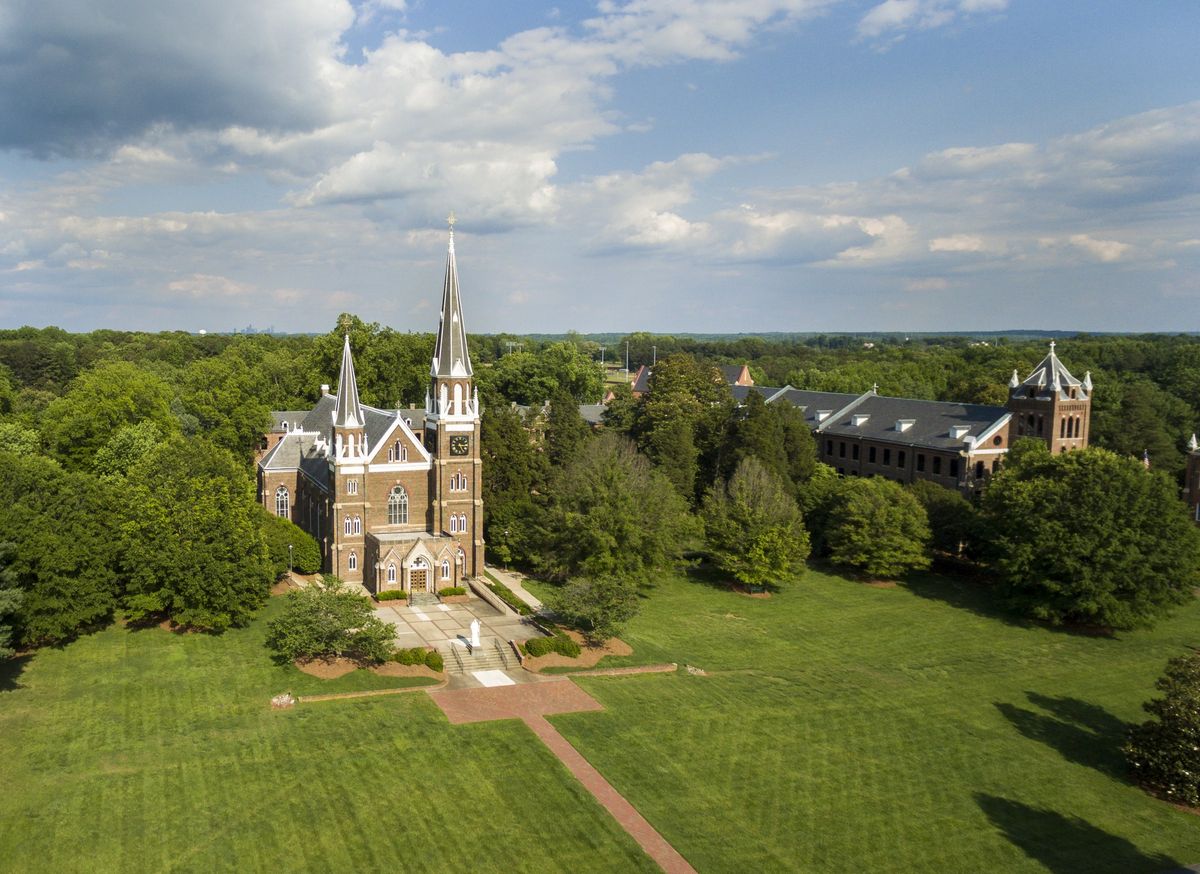
If you love older homes, start near downtown Belmont, close to Main Street's shops and restaurants and Belmont Abbey College. These streets feel established and walkable.
The trade-off is age. Ask for the age of the roof, HVAC and water heater early, and find out whether the electrical and plumbing have been updated. From a builder's point of view, pay close attention to water: sloped yards, old gutters and foundation vents can let moisture into a crawlspace. Those issues are fixable, but they change your budget.
Planned communities and newer subdivisions
Belmont's newer neighborhoods typically offer homes built in the last couple of decades, with open floor plans and community amenities. Most have an HOA. That isn't a bad thing if the dues match what you get, but read the covenants and budget as soon as you're under contract, ideally during your due diligence period. Our guide to HOA fees in the Gastonia area explains what to look for.
Homes with land
Belmont is more built out than western Gaston County, but nearby areas still offer bigger lots. If a home is on well or septic, ask for maintenance records and plan inspections beyond the standard home inspection.
How should you research Belmont schools?
Use official sources and decide based on your own priorities.
- NC School Report Cards: the N.C. Department of Public Instruction publishes annual report cards for every public school and district. Gaston County Schools links to them along with the district summary.
- District data: the National Center for Education Statistics lists enrollment and student-teacher ratios for Gaston County Schools.
- Assignment: school attendance zones can change, so confirm the assigned schools for each specific address with the district.
- Visits: tour schools and talk with staff if you want context beyond the numbers.
Agents are expected to provide equal professional service and point you to objective sources rather than steer you toward or away from areas. NAR's guidance on schools and equal service explains why.
What should you check by home style?
- Older bungalows and mid-century homes: electrical updates, insulation, crawlspace condition, original windows.
- Townhomes: the line between HOA and owner responsibility for roofs, exteriors and landscaping.
- New construction: grading, gutters and downspouts, and finish quality. Get an independent inspection even on a brand-new home. Our post on new construction in Belmont covers this in detail.
Ally also runs Bohanan Construction, a custom home builder in Gastonia, so she can help you read a new build or a renovation with a builder's eye. Learn more about Bohanan Construction.
How should you budget beyond the list price?
Belmont prices vary with distance from downtown, neighborhood amenities and condition, and the town generally sits toward the higher end of Gaston County. Plan around your monthly cost:
- Principal and interest
- Gaston County and City of Belmont property taxes
- Homeowners insurance, and flood insurance if the property is near the river
- HOA dues, if any
- Expected maintenance based on the home's age and systems
- First-year projects: paint, flooring, fencing, landscaping
Run scenarios on our mortgage calculator, then talk with a lender about pre-approval. If you don't have one, our preferred lender page is a good start.
What helps buyers succeed in Belmont?
- Know your non-negotiables. Belmont's inventory is limited, so decide what you won't compromise on and stay flexible on cosmetic items.
- Read HOA rules before you fall in love. Fences, rentals, parking and exterior changes are common surprises.
- Use inspections strategically. For older homes, consider specialists for roof, HVAC and crawlspace moisture. For newer homes, focus on grading and drainage.
- Think about resale. Layout, location and condition matter to the next buyer just as much as to you.
- Widen the search if you need to. Buyers who like Belmont often also tour Mount Holly and east Gastonia. See our Belmont vs. Mount Holly comparison.
If you're selling within Gaston County to buy in Belmont, we can help you plan both moves. When you're ready to start touring, Talk With a Buyer's Agent and we'll put together a Belmont shortlist that fits your budget and commute. More on the town is on our Belmont community page.
Sources cited in this article: Gaston County Schools, National Center for Education Statistics, National Association of Realtors. Figures are as reported by those sources at the time of writing.