
BuyingRock Hill, SCNo. 107
Hidden Costs of Buying a Home in Rock Hill, SC
The costs Rock Hill buyers most often forget, from inspections and the CL-100 to utility setup, HOA dues and first-year repairs.

By Ally BohananPublished 4 min read
The short answer
Beyond the down payment, Rock Hill buyers should budget for inspections, the appraisal, closing costs including attorney fees, prepaid taxes and insurance, earnest money, HOA dues, utility setup and first-year repairs. South Carolina buyers commonly order a CL-100 termite letter, and owner-occupants should apply for the 4% assessment ratio to keep property taxes lower.
Key takeaways
- Have cash ready for earnest money and inspections soon after your offer is accepted, well before closing.
- South Carolina closings are handled by attorneys, and the CL-100 wood-infestation report is a common SC-specific cost.
- Apply for the 4% legal residence assessment with York County, or your tax bill will be figured at the higher rate.
- Compare HOA dues, insurance and utilities alongside the price; a cheaper home can cost more each month.
- Set aside money for first-year repairs and maintenance, especially on older homes.
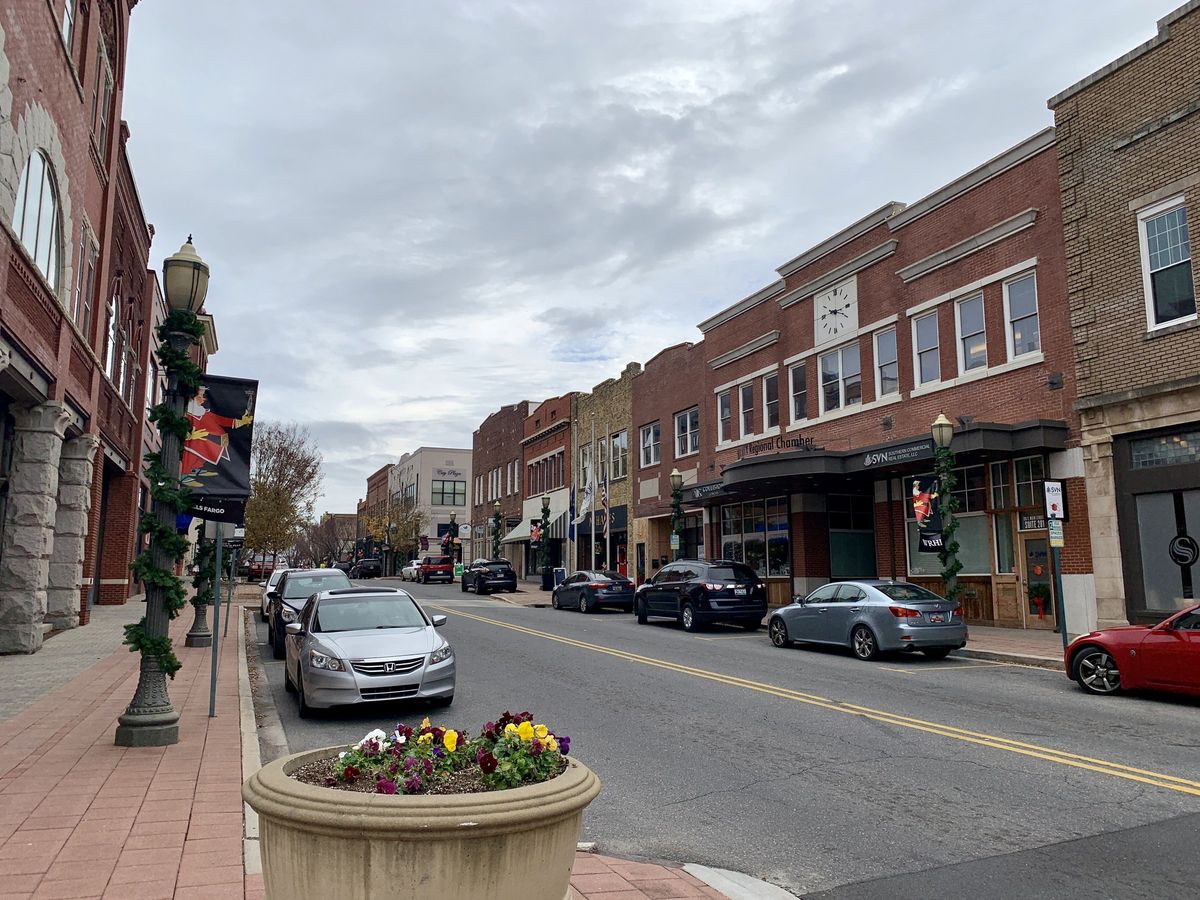
Rock Hill offers a wide range of homes, from historic houses near downtown and Winthrop University to new construction on the edges of the city, all within reach of Charlotte. Most buyers plan carefully for the price and the monthly payment. The surprises usually come from everything else.
Here's what to plan for, roughly in the order you'll pay it.
What do you pay before closing?
Earnest money
Your earnest money deposit shows the seller you're serious. It's usually credited toward your costs at closing, but you need the cash available as soon as your offer is accepted.
Home inspection
A general inspection covers the roof, structure, HVAC, plumbing, electrical and visible moisture. Even new homes can have issues worth catching. Depending on the property, you may also want:
- A sewer line camera inspection, especially for older homes
- Radon testing
- A structural engineer if the inspector flags foundation concerns
- Septic and well inspections for rural properties outside city utilities
CL-100 termite letter
In South Carolina, the standard wood-destroying insect report is the CL-100, an official form from the SC Department of Pesticide Regulation. Many lenders require one, and it's a good idea even for cash purchases. Your contract will say who pays.
Appraisal
Your lender orders the appraisal, and you usually pay for it up front or at closing. If it comes in below the contract price, you may need to bring more cash or renegotiate.
What's included in closing costs?
South Carolina requires an attorney to close residential real estate transactions. Your closing costs typically include:
| Category | Examples |
|---|---|
| Lender charges | Origination, underwriting, credit report, any discount points |
| Third-party services | Appraisal, survey, flood certification, CL-100 |
| Title and attorney | Closing attorney fee, title search, title insurance |
| Government | Recording fees |
| Prepaids and escrow | First year of homeowners insurance, prorated property taxes, escrow deposit |
Your lender's Loan Estimate shows these line by line within three business days of applying. Compare Loan Estimates from more than one lender. The Consumer Financial Protection Bureau has a good guide to reading them.
What ongoing costs do buyers forget?
Property taxes
If the home is your primary residence, apply for South Carolina's 4% legal residence assessment ratio with the York County assessor. Without it, the home is assessed at 6%, which means a noticeably higher bill. Ask your closing attorney about timing, and look up the current tax bill on any home you're considering. Remember that the seller's bill may reflect the 4% rate you haven't applied for yet.
Homeowners and flood insurance
Premiums depend on the home's age, roof, construction, claims history and coverage. Get quotes before your due diligence ends. Check the property on FEMA's flood map; homes near the Catawba River or local creeks may be in a flood zone, where flood insurance is required for federally backed loans.
HOA dues
Many Rock Hill neighborhoods have an HOA. Ask for the dues amount and frequency, what's covered, the reserve fund, any special assessments and any transfer or setup fees charged at closing. A lower-priced home with high dues can cost more each month than a pricier home without them.
Utilities
The City of Rock Hill provides electric, water and sewer service to much of the city, while homes outside city limits may be served by other providers, including electric cooperatives or private wells and septic. Natural gas, internet and trash may be separate accounts. Ask about deposits and setup fees when you schedule service.
What should you budget for after moving in?
- Immediate projects: paint, flooring, window treatments, light fixtures, changing the locks
- Systems nearing the end of their life: check the age of the roof, HVAC and water heater. An older system can turn a bargain into a big expense within a few years.
- Routine maintenance: HVAC service, gutter cleaning, pressure washing, pest control
- Yard care: larger lots need equipment, mulch, tree work and possibly irrigation
- Furniture and storage: new rooms rarely fit your old furniture exactly
Tip: Ask the sellers for the age of the roof, HVAC and water heater and any service records. It's the fastest way to forecast your first few years of repairs.
What does new construction add?
Builder base prices rarely include everything you see in the model. Plan for:
- Lot premiums
- Upgraded flooring, cabinets and countertops
- Appliances, window treatments and fencing
- Landscaping beyond the basic package
- An independent inspection, even on a brand-new home
Ally also runs Bohanan Construction, which builds custom homes in Gastonia, so she can help you read a builder's price sheet and spec list. Learn more about Bohanan Construction.
What about moving and relocation?
Movers, truck rental, packing supplies, storage and temporary housing add up quickly, especially for long-distance moves. If you're relocating, ask whether your employer offers relocation help.
Budget checklist
- Earnest money and due diligence cash
- Inspection, CL-100 and any specialist inspections
- Appraisal
- Closing costs and prepaids from your Loan Estimate
- HOA transfer fees and dues
- Utility deposits and setup
- Moving costs
- First-year repairs and projects
- An emergency fund for surprises
Run your numbers on our mortgage calculator, then talk with our preferred lender. Learn more about the city on our Rock Hill community page or in our Rock Hill neighborhood guide. When you're ready, Talk With a Buyer's Agent and we'll walk through the full cost picture on the homes you like.
Sources cited in this article: clemson.edu, Consumer Financial Protection Bureau, FEMA Flood Map Service Center. Figures are as reported by those sources at the time of writing.