
BuyingDallas, NCNo. 155
How to Budget for Closing Costs in Dallas, NC
What buyers and sellers in Dallas and the rest of Gaston County pay at closing, how to estimate it early, and ways to reduce it.

By Ally BohananPublished Updated 3 min read
The short answer
Dallas buyers pay lender fees, appraisal, attorney and title charges, recording fees and prepaid taxes and insurance, plus the due diligence fee and earnest money paid earlier. Sellers usually pay commissions, attorney fees, North Carolina's excise tax of $1 per $500 of the price, and prorated taxes. Get a Loan Estimate or net sheet early.
Key takeaways
- Get a Loan Estimate as soon as you apply, and compare more than one lender.
- Cash to close includes the down payment plus closing costs and prepaids, minus credits and money you've already paid.
- North Carolina closings are handled by attorneys, so attorney and title fees appear on both sides.
- Sellers pay the state excise tax (revenue stamps) of $1 per $500 of the sale price.
- Seller credits, lender credits and NC Housing Finance Agency programs can lower what buyers bring.
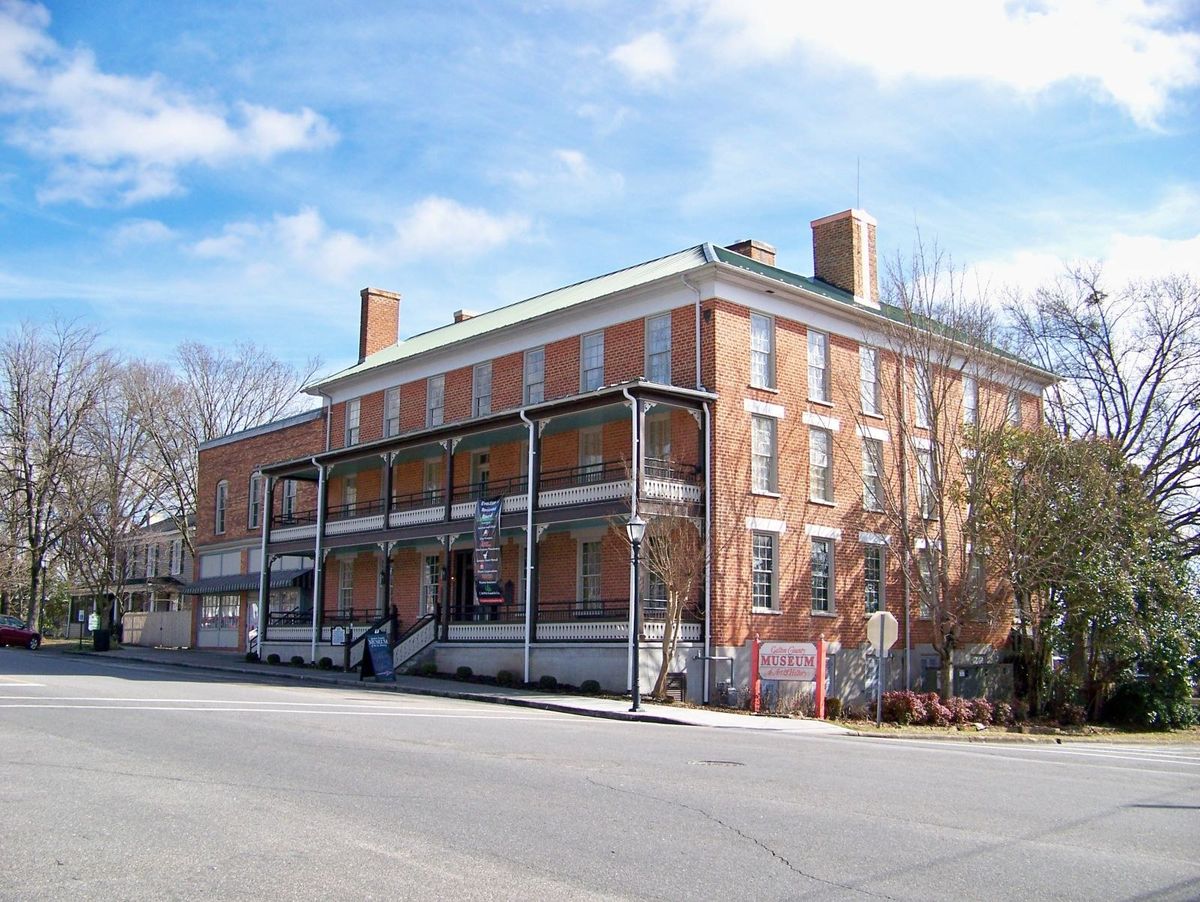
Dallas is Gaston County's original county seat, a small town just north of Gastonia along US-321 with a historic courthouse square, established neighborhoods, newer subdivisions and rural land nearby. Whatever you're buying or selling there, closing costs are where budgets most often get squeezed. The fix is simple: get real estimates early and plan for every line.
What's in buyer closing costs?
| Category | Examples | Can it change? |
|---|---|---|
| Lender charges | Origination, underwriting, discount points | Shop lenders; points are optional |
| Third-party services | Appraisal, credit report, survey, flood certification, termite inspection | Some you can shop |
| Attorney and title | Closing attorney fee, title search, lender's and owner's title insurance | Attorney fees vary; ask for quotes |
| Government | Deed and deed-of-trust recording fees | Set by the county and state |
| Prepaids and escrow | First year of homeowners insurance, prorated property taxes, prepaid interest, escrow reserve | Depends on closing date and policy |
| HOA | Transfer fees, initial dues or capital contributions | Set by the HOA |
Before closing, you'll also pay the due diligence fee directly to the seller and deposit earnest money in escrow. Both are typically credited toward your purchase at closing, but you need the cash early. Read what to know about earnest money for how each works.
How do you estimate your cash to close?
- Get a Loan Estimate. Lenders must provide one within three business days of your application. The Consumer Financial Protection Bureau explains each section.
- Compare lenders. Look at the origination charges and points on page 2, not just the rate.
- Get insurance quotes early. Your first year's premium is usually paid at or before closing.
- Ask about taxes and HOA. Prorations and escrow deposits depend on the closing date and the tax bill.
- Add a cushion. Estimates change as the details firm up.
- Review the Closing Disclosure. You'll receive it at least three business days before closing. Compare it line by line with your Loan Estimate.
Your formula: down payment + closing costs + prepaids − credits − due diligence fee and earnest money already paid = cash to close.
Tip: Never wire closing funds based on emailed instructions alone. Call your closing attorney's office at a number you've verified independently to confirm before you send money.
How can buyers lower closing costs?
- Seller credits: negotiate for the seller to pay part of your costs, within your loan program's limits.
- Lender credits: accept a slightly higher rate in exchange for a credit toward costs.
- Assistance programs: the NC Housing Finance Agency offers down payment help for eligible buyers through participating lenders. See our NC first-time buyer assistance guide.
- Timing: your closing date affects prepaid interest and tax prorations.
- Shop services: the Loan Estimate lists the services you're allowed to shop for.
What do sellers pay?
- Commissions, as negotiated in the listing agreement and any agreement to pay part of the buyer's agent's compensation
- NC excise tax (revenue stamps): $1 per $500 of the sale price under G.S. 105-228.30, paid when the deed is recorded
- Attorney fees for deed preparation and the seller side of closing
- Mortgage payoff and any liens
- Prorated property taxes and HOA dues through the closing date
- Agreed buyer credits and any repairs negotiated after inspection
Ask your listing agent for a net sheet before you list and again when offers arrive. It shows what you'll actually walk away with under each offer. Our selling with Ally page explains the process.
What changes for higher-priced homes, land or new construction?
- Appraisals on custom homes or acreage can cost more and take longer because comparables are harder to find.
- Surveys are more important on rural parcels around Dallas, where boundaries, easements and access need checking.
- Well and septic inspections add cost on properties outside town utilities.
- Jumbo loans may carry different fees and reserve requirements.
- New construction can include builder-specific fees and a separate construction loan closing.
If you're building, Ally also runs Bohanan Construction, which builds custom homes in Gastonia. Learn more about Bohanan Construction.
Closing-cost budget checklist
- Due diligence fee and earnest money ready at contract
- Inspection, survey and appraisal costs during due diligence
- Insurance quote secured before due diligence ends
- HOA transfer fees confirmed
- Loan Estimate reviewed and compared
- Closing Disclosure checked against the Loan Estimate
- Wire instructions verified by phone
Run payment scenarios on our mortgage calculator and see our closing costs explained for Dallas buyers for a line-by-line look. Learn more about the town on our Dallas community page. Buying? Talk With a Buyer's Agent. Selling? Request a Pricing Consultation and ask for a net sheet.
Sources cited in this article: Consumer Financial Protection Bureau, NC Housing Finance Agency, ncleg.gov. Figures are as reported by those sources at the time of writing.