
BuyingMcAdenville, NCNo. 115
How to Negotiate Repairs After Inspection in McAdenville, NC
How to sort inspection findings, decide between repairs and credits, and put agreements in writing before due diligence ends in McAdenville.

By Ally BohananPublished Updated 3 min read
In this article
The short answer
After an inspection in McAdenville, sort findings into safety, major systems, and minor or cosmetic items, then ask only for what really matters. Support requests with photos and contractor estimates, consider credits or a price change when repairs are complex, and get every agreement in writing before your North Carolina due diligence period ends.
Key takeaways
- In North Carolina, repair negotiations happen during the due diligence period, so start right away.
- Focus on safety, water, roofs and major systems, not cosmetic items.
- Contractor estimates make requests more credible than opinions.
- Credits give buyers control of the work but may be limited by loan rules.
- Put who does what, by when and how it's verified in writing.
The inspection report is where many deals get tense. A long list of findings can feel alarming to a buyer and insulting to a seller. In practice, most of it is routine, and a calm, organized approach usually gets both sides to closing.
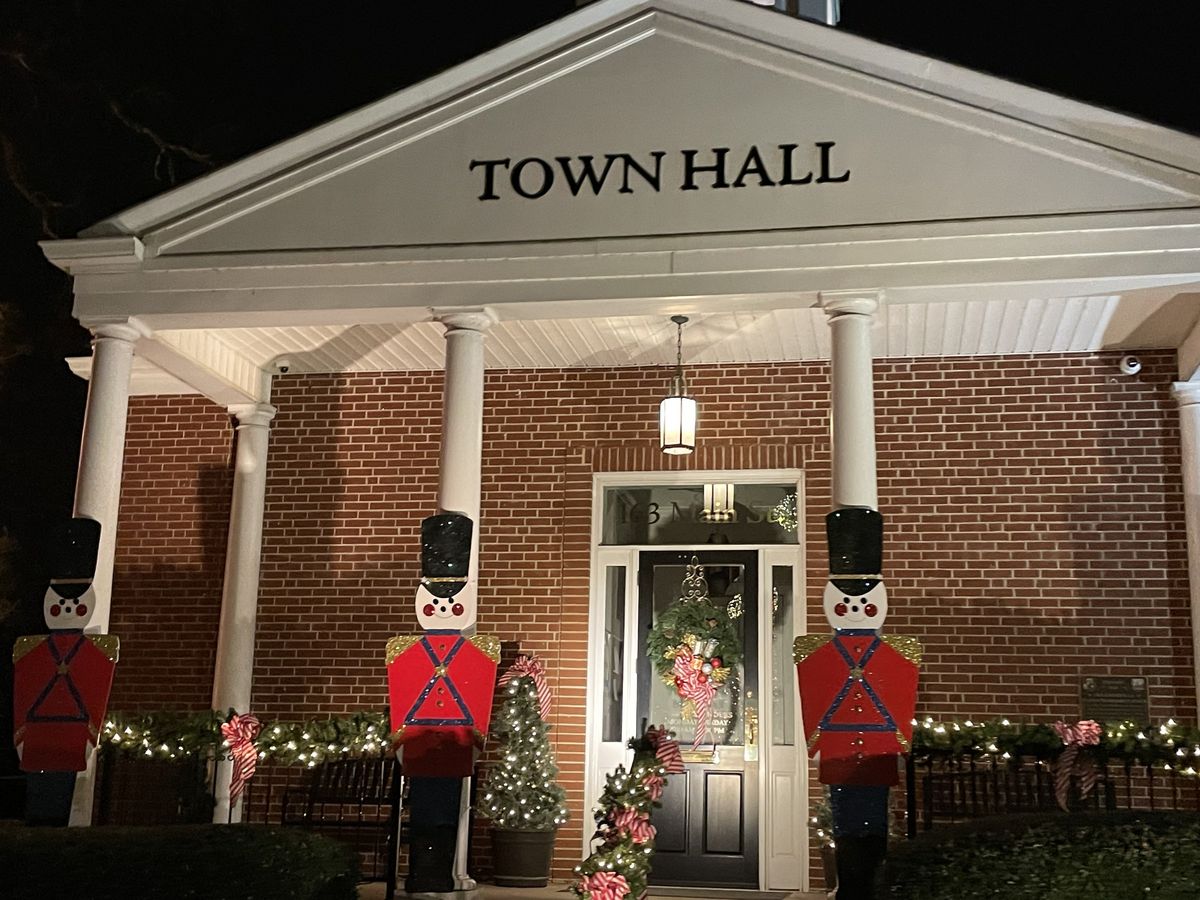
McAdenville is a small town of about 650 people, known as Christmas Town USA, with many older homes alongside newer ones. That mix shapes what inspections tend to find.
How does repair negotiation work in North Carolina?
Under the standard North Carolina offer to purchase, there's no separate repair contingency. Instead, the buyer has a due diligence period to inspect, investigate and negotiate. During that window, the buyer can usually terminate for any reason, though the due diligence fee generally goes to the seller.
That makes timing critical:
- Schedule inspections as soon as the contract is signed.
- Leave time for specialists if the general inspector flags something.
- Get contractor estimates for major items.
- Submit your request with enough time left for a response and counter.
- Sign a written agreement before due diligence ends.
Unless the seller agrees in writing, they generally aren't obligated to make repairs.
How should you read the inspection report?
An inspection report records conditions on the day of the inspection. Many items are maintenance, not defects. Focus on:
- Structure: foundation, framing, roof
- Major systems: HVAC, plumbing, electrical
- Water: active leaks, crawl space moisture, grading and drainage
- Safety: outdated wiring, missing GFCI protection, smoke detectors, railings
In older homes, expect findings like aging components or older construction methods. Some are normal for the age of the house, and others need a specialist's opinion. Our guide to handling inspection surprises calmly helps you keep perspective.
Which repairs are worth asking for?
| Priority | Examples | Typical approach |
|---|---|---|
| High | Active leaks, roof damage, unsafe electrical, failing HVAC, structural concerns | Request repair, credit or price change |
| Medium | Aging but working systems, minor drainage fixes | Consider a credit or note for future budgeting |
| Low | Cosmetic wear, older but working fixtures, personal taste | Usually leave out of the request |
Overreaching can cost goodwill and time. Buyers protect themselves best by focusing on protection, not perfection. Sellers do best by responding to the important items rather than refusing everything.
How do buyers and sellers negotiate well?
For buyers:
- Group requests into major and minor items
- Attach photos, report excerpts and contractor estimates
- Offer solution options: a repair, a credit or a price adjustment
- Keep the tone respectful
For sellers:
- Respond to the high-priority items first
- Consider offering selected repairs or a credit instead of all or nothing
- Think about your timeline and what a relisting would cost you
- Remember that a future buyer's inspector would likely find the same issues
Market conditions matter. When buyers have plenty of choices, sellers are often more flexible. When competition is strong, buyers may limit requests to major defects.
When should you ask for a credit instead of a repair?
Credits let buyers choose their own contractor and control the quality of the work, and they save sellers from managing a project. Consider a credit when:
- The repair needs a specialist
- You're concerned about workmanship
- The closing timeline is tight
- The issue doesn't affect financing
Loan programs can limit seller concessions or require certain repairs before closing, so check with your lender before you agree to a credit. Make sure the amount realistically covers the work.
If an inspection raises bigger construction questions, Ally's background helps. She also runs Bohanan Construction, a custom home builder in Gastonia, and she reads inspection reports with a builder's eye.
How do you close smoothly after repair talks?
Your written agreement should spell out:
- Exactly what will be repaired
- Who will do the work, and whether a licensed contractor is required
- The completion deadline
- How completion will be shown, such as receipts or a re-inspection
Then schedule the work early, confirm any lender requirements and check everything at the final walk-through. For more on staying on schedule, see how to avoid closing delays, and learn more about living in McAdenville. Buying here? Talk With a Buyer's Agent and we'll walk through your inspection report with you.