
SellingGaston County, NCNo. 62
Maximizing ROI: A Pre-Listing Plan for Staging and Improvements
A week-by-week pre-listing plan that puts repairs, paint, lighting, curb appeal and staging in the right order and keeps spending focused.

By Ally BohananPublished 3 min read
In this article
- Why does "move-in ready" matter so much?
- Step 1: What should you fix before anything else?
- Step 2: Which interior updates give the most impact?
- Step 3: How do you make the exterior work?
- Step 4: How should you stage?
- How should you schedule the work?
- How does this pay off beyond price?
- Frequently asked questions
The short answer
To get the best return before listing, spend in this order: fix deferred maintenance that would show up on inspection, then refresh paint, lighting and flooring, then improve curb appeal, and finally declutter and stage. Skip big remodels unless your agent's comps show buyers pay for them, and schedule everything so it's finished before photos.
Key takeaways
- Repairs come first; inspection problems cost more in negotiation than they do to fix.
- Paint, lighting and flooring refreshes usually do more for buyers than major remodels.
- Curb appeal sets expectations before buyers step inside.
- Staging should give every room one clear purpose and photograph well.
- Work backward from your photo date so nothing is half-finished at launch.
Once you decide to sell, it's tempting to either do nothing or try to fix everything. Neither tends to pay off. Buyers are looking for a home that feels cared for and move-in ready, and the best return usually comes from focused, modest work done in the right order. Here's a practical plan.
Why does "move-in ready" matter so much?
Buyers form impressions fast. Scuffed walls, odors, dim rooms or a dripping faucet send them into cost-counting mode, and they mentally subtract more than the fix would actually cost. A home that feels cared for keeps them picturing life there instead. Every step below aims at that feeling.
Step 1: What should you fix before anything else?
Deferred maintenance rarely shows in photos but often comes up in inspection, where it gives buyers leverage during the due diligence period. Start with:
- Leaky faucets, running toilets and slow drains
- HVAC service, with the receipt left out for showings
- Crawlspace and attic: moisture, insulation and pest issues; a clean, dry crawlspace matters to North Carolina buyers
- Roof leaks, damaged flashing and clogged gutters
- Electrical issues: dead outlets, missing covers and flickering lights
- Rotten trim, sticking doors and broken window seals
If you're unsure what an inspector will find, a pre-listing inspection can help you set priorities.
Step 2: Which interior updates give the most impact?
Paint
If you do one thing, paint. A neutral palette makes rooms feel fresh and larger and helps buyers picture their own furniture. Repaint bold accent walls and touch up trim and doors.
Lighting
Dark homes feel smaller. Replace dated fixtures in main rooms, use the same bulb color throughout so rooms don't look mismatched in photos, and make sure every bulb works.
Flooring
Professionally clean or replace stained carpet. If the main living areas have mismatched flooring, consistent flooring can make the space feel larger and more cohesive.
Kitchen and bath touches
New cabinet hardware, a modern faucet, fresh caulk and clean grout often do more than you'd expect. A full remodel rarely returns its full cost at sale; look at NAR's Remodeling Impact research and your agent's comps before taking one on. See also renovations with the best ROI in North Carolina.
Step 3: How do you make the exterior work?
If the outside looks neglected, buyers assume the systems are too.
- Fresh mulch or pine straw to define beds
- Trimmed shrubs and edged walkways
- Pressure-washed siding, driveway and porch
- A freshly painted front door with updated hardware
- New house numbers, a clean mailbox and working porch lights
NAR's research ranks lawn care and curb-appeal projects among the stronger ones for estimated cost recovery.
Step 4: How should you stage?
Staging highlights how a home lives. Give every room one clear purpose:
- Kitchen: clear the counters except for one or two simple items to show space.
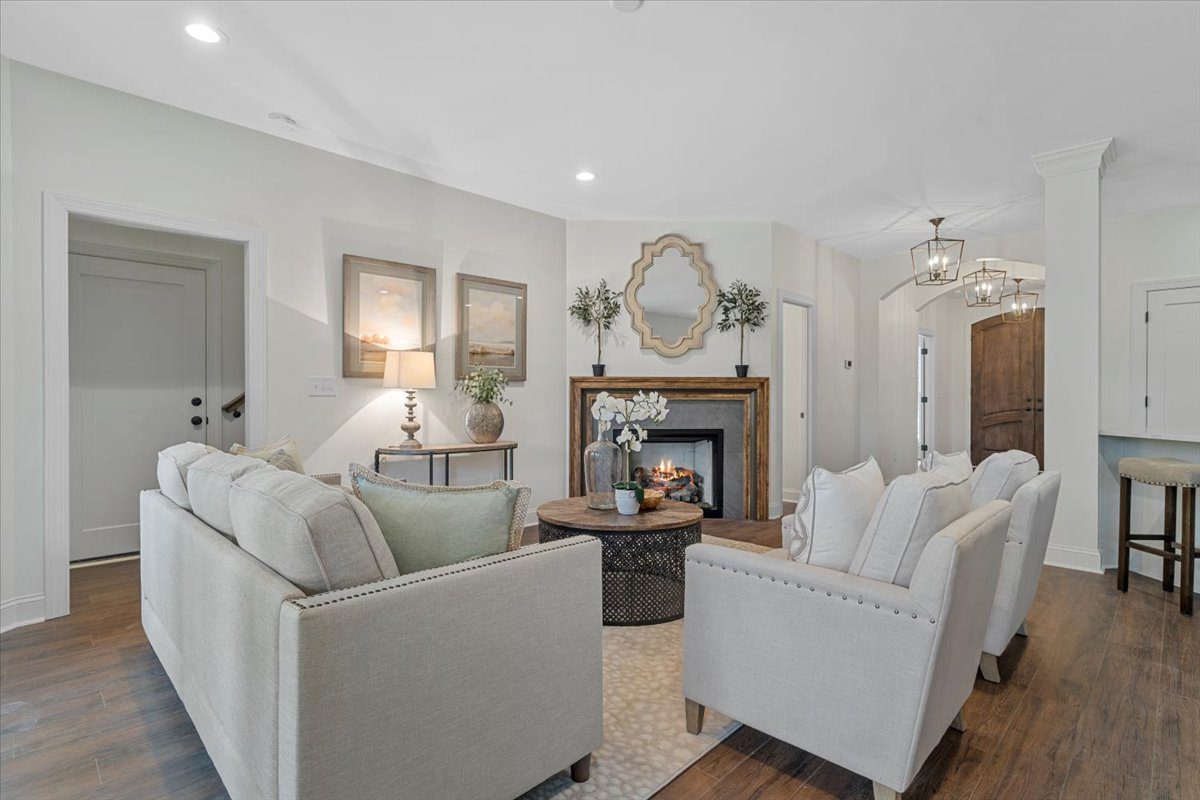
- Living room: arrange furniture to show flow and conversation areas; remove extra pieces.
- Primary bedroom: crisp neutral bedding, matching lamps and clear nightstands; remove exercise equipment or desks.
- Bonus rooms: stage as an office, guest room or playroom instead of storage.
- Outdoor space: a simple seating area on the porch or patio.
For room-by-room ideas, see our home staging tips or learn about our home staging services.
How should you schedule the work?
Work backward from your photo date. A typical sequence:
| When | Focus |
|---|---|
| First | Walk-through with your agent; get contractor quotes; consider a pre-listing inspection |
| Next | Repairs and system service; start decluttering and packing |
| Then | Paint, lighting, flooring and kitchen or bath touches |
| Shortly before photos | Curb appeal, deep clean, staging |
| Photo day | Final touch-ups, all lights on, personal items away |
Simple homes may need only a couple of weeks. Homes with more repairs, painting or decluttering need longer, and contractor availability can stretch the timeline.
How does this pay off beyond price?
- Fewer weeks on the market, so less time living show-ready
- Cleaner inspections, with fewer repair requests and credits
- Appraisal support, since a well-maintained, updated home is easier to justify
- Stronger offers, because buyers see less risk
Tip: Before spending on any project over a few hundred dollars, ask your agent whether the homes you'll compete with have it. If they don't, you may not need it either.
Ally also runs Bohanan Construction, which builds custom homes in Gastonia, so she can help you tell a cosmetic fix from a bigger issue. If you're getting ready to sell, Request a Pricing Consultation and a pre-listing walk-through.
Sources cited in this article: National Association of Realtors. Figures are as reported by those sources at the time of writing.